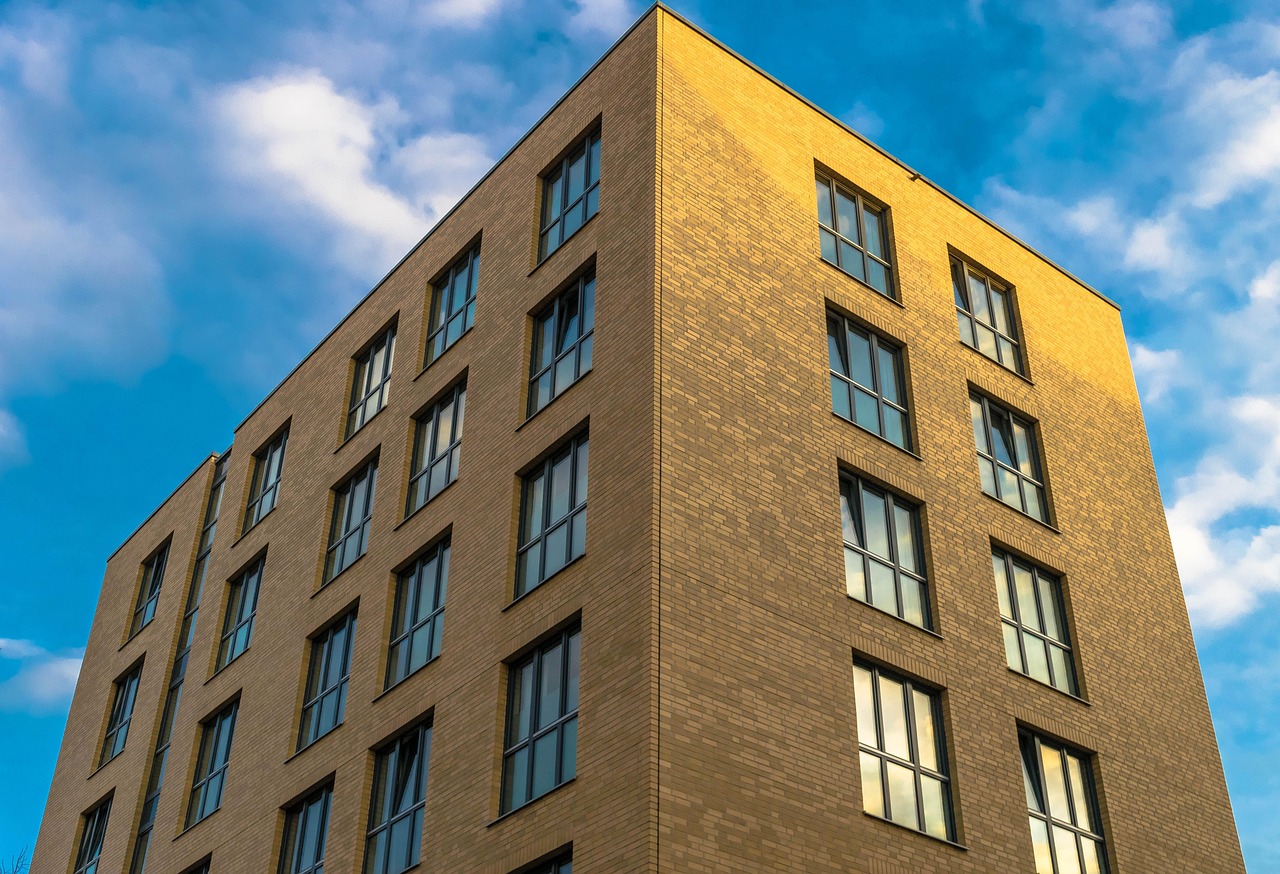
Commercial property insurance provides protection for property owners as they let out to third parties for commercial uses. This type of insurance policy is important due to the variety of potential costly incidents that can stem from allowing another party to occupy a commercial property, such as barns or steel structures.
What’s the difference between a Residential and Commercial Landlord Insurance Policy?
The two main points that differentiate residential and commercial property owners are:
• Tenant types—It is important for an insurance policy to be composed relative to the potential risk that a landlord’s tenants may pose. For example, a domestic tenant may generally be considered lower risk as they are less likely to be using industrial equipment or handling hazardous substances.
• Building types—Commercial properties may come with a wider variety of building materials or infrastructure. Therefore, they may be accompanied by additional hazards or potential costs. These factors—such as complex electrical systems or asbestos—must be taken into account by an insurance provider.

It is important for policyholders to understand all aspects of their commercial property insurance. This includes whether or not a policy will be triggered by certain specific situations, such as:
Unoccupied properties—Due to unoccupied properties having a higher risk of break-ins, vandalism, squatting and other crime, most brokers will not cover unoccupied properties under commercial property insurance. There is generally a grace period of approximately 30 days between when a property becomes vacant and when the owner will be required to switch to a unoccupied property insurance policy.
Wear and tear—Buildings and property will inevitably require regular maintenance, which is not covered by commercial property insurance. Policyholders should take the time to understand exactly what types of damage their insurance will cover, and what types will be considered general wear and tear.
Flat roof warranty—Flat roofs are a consistent concern for insurance providers due to increased risk for leaks that can result to property damage. If a property’s roof has flat sections, a policy may require owners to perform certain servicing and repairs on a regular basis.
Letting out a property to third parties comes with inevitable risks. That’s why you should speak to an insurance broker like ourselves, we’re here to help navigate you through a commercial insurance policy and find insurance that best suits your property requirements.
For more information on commercial property insurance, contact us today.
Get in touch about a Commercial Property Insurance Quote Today
Complete our enquiry form and a member of our team will be in touch as soon as possible.